Credit Building 101: A Complete Guide for Renters Starting from Zero
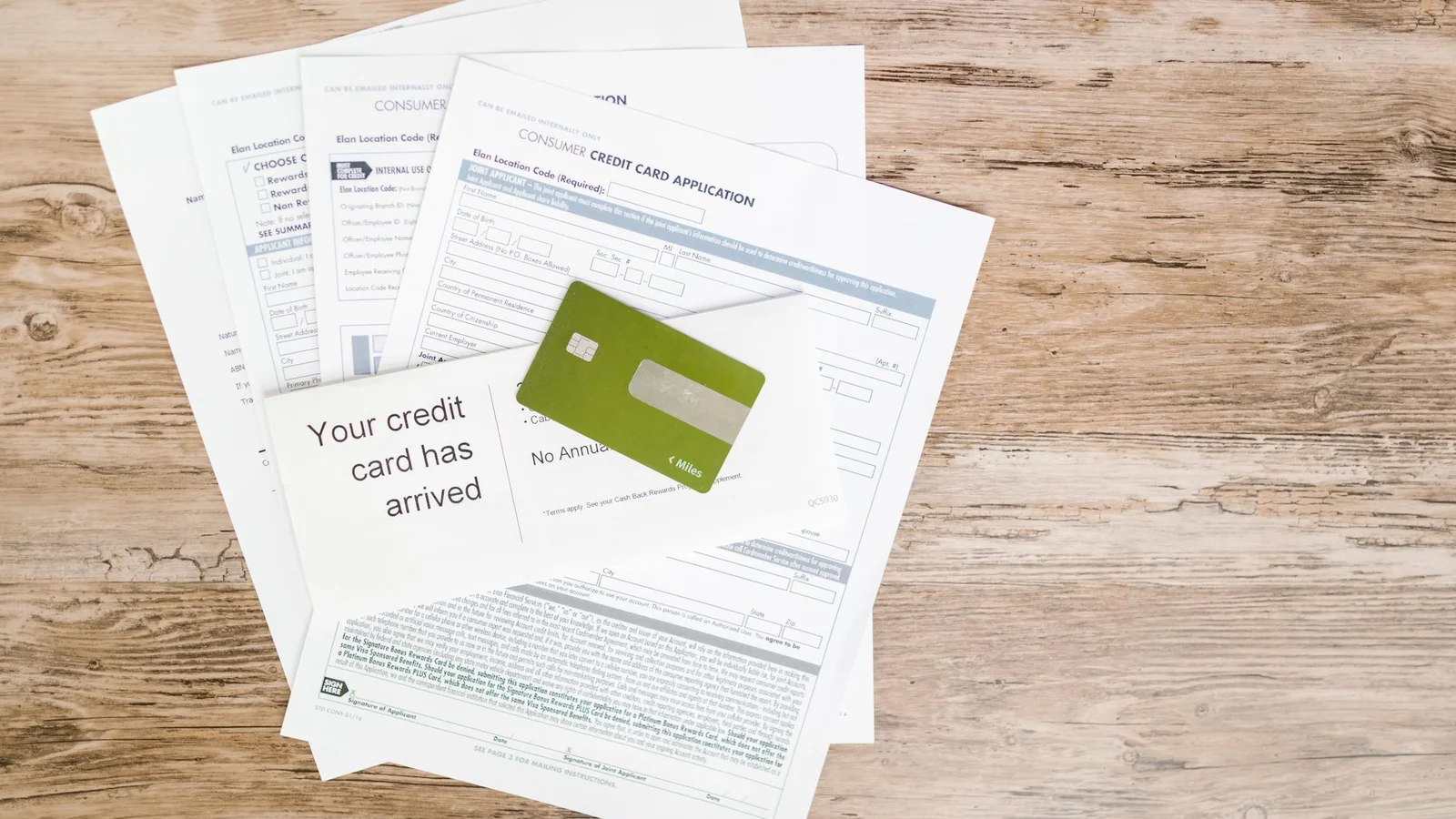
Building credit from zero can feel like a catch-22, you need credit to get credit. The way out is a starter account you can qualify for now, used carefully over time until your history does the talking.
Starter Accounts That Open the Door
With no credit history, the realistic entry points are accounts designed for exactly that situation: a secured credit card backed by a refundable deposit, a credit-builder loan, or being added as an authorized user on a trusted person’s account. Each creates a record of responsible use that the credit bureaus can see, which is the raw material every score is built from.
None of these requires an existing score to start, and the goal is the same across all of them, to establish on-time payments and a low balance so a thin file gradually becomes a solid one. Choosing one or two and using them consistently beats opening several at once.
The First 90 Days of Building Credit From Zero
Starting from no credit file at all feels like a chicken-and-egg problem: lenders want history you can’t get without lenders. The way in is a product designed for exactly this, a secured credit card or a credit-builder loan, plus, increasingly, rent reporting that turns payments you already make into history. Pick one starter account; you don’t need several at once.
For the first ninety days, focus on three habits that do the heavy lifting. Charge one small recurring expense to the card, a streaming subscription works, and pay it in full automatically each month. Keep the balance reported well under 30 percent of the limit, ideally under 10. Never miss a due date, since payment history is the single biggest factor in your score. Scores typically begin appearing after about six months of activity, so the early months are about laying clean track. Resist applying for everything in sight; a flurry of applications creates hard inquiries and signals risk just as your file is forming.
The First 90 Days and What to Expect
In the first three months, the habits you set matter more than the score, which may not even generate until you have a few months of activity. Charging a small, easily repaid amount and paying it off in full each cycle demonstrates exactly the behavior scoring models reward, without risking interest or debt.
Patience is part of the process, because credit history is built over time and there is no way to fully shortcut it. Keeping balances low, never missing a due date, and avoiding a flurry of new applications will steadily move you from no score to a usable one, generally within several months to a year.
Avoiding Beginner Mistakes That Set You Back
When building credit from zero, a few common missteps can stall progress. Opening several accounts at once, carrying high balances, or missing a payment early on can each undercut the foundation you are trying to build. Slow and steady, one or two accounts used carefully, generally beats an aggressive start.
It also helps to be patient with the timeline and to resist offers that promise instant results, which are often costly or ineffective. The fundamentals, on-time payments and low utilization, are what build credit, and avoiding the early traps keeps that progress on track.
Why On-Time Payments Matter Most
Of all the factors that build credit, payment history generally carries the most weight, which makes never missing a due date the single most important habit when starting from zero. A consistent record of on-time payments, even on a small starter account, demonstrates exactly the reliability that scoring models reward. One missed payment, by contrast, can set back early progress significantly.
Because a slip is easy when you are juggling new accounts, automating at least the minimum payment is a practical safeguard. Setting up autopay ensures the due date is never missed even in a busy month, while you can still pay more manually when you can.
Over time, this steady payment record becomes the backbone of a solid score. The other factors matter, but none rewards consistency the way payment history does, so protecting it is the foundation everything else builds on.
Keeping Early Accounts Open and Avoiding Scams
The age of your credit history contributes to your score, so the accounts you open early are worth keeping active over the long run. Closing your first card later can shorten your average account age and reduce your available credit, both of which can work against you, so unless a card carries a fee you cannot justify, keeping it open and lightly used often helps.
It is also wise to be wary of offers that promise to fix or build credit fast for a fee, since legitimate credit building cannot be shortcut and many such pitches are costly or deceptive. The free, reliable path, on-time payments, low balances, and patience, outperforms anything that sounds too good to be true.
If you ever do need help with credit, a reputable nonprofit credit counseling organization is a safer resource than a paid quick-fix service. Knowing the difference protects both your money and your progress.
Setting Realistic Expectations for Your First Year
Building credit from nothing is a gradual process, and knowing that upfront prevents discouragement. A score may not even generate until you have a few months of activity, and reaching a strong score generally takes longer still, often well into the first year or beyond. The early months are about establishing habits, not chasing a number.
Focusing on what you can control, paying on time, keeping balances low, and avoiding a flurry of new applications, ensures steady progress beneath the surface. Patience paired with consistency is what turns a thin file into a solid one, and there is no reliable shortcut around the time it takes.
Frequently Asked Questions
How do I build credit from scratch?
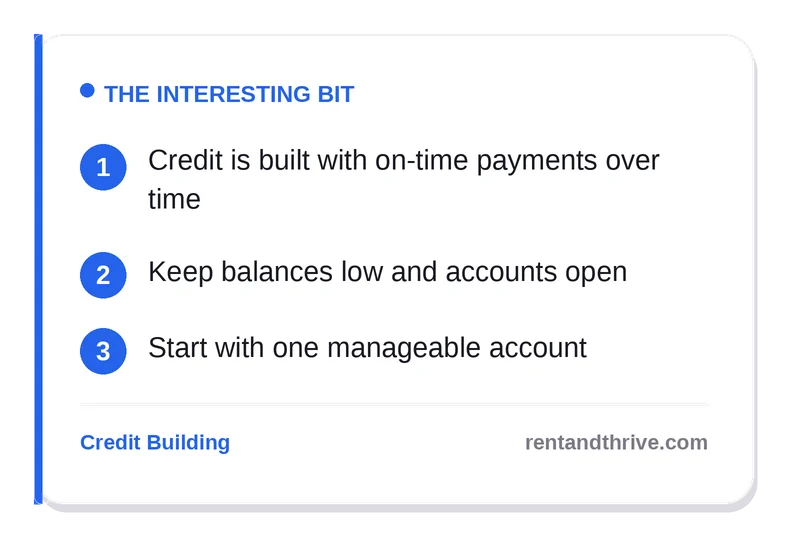
Open one manageable account, pay on time, and keep balances low over time.
How long does it take?
It takes months to years, with consistency mattering more than speed.
What helps most?
On-time payments are the single biggest factor.
Related reading
- Hard vs. Soft Credit Inquiries: What Renters Need to Know
- Credit Mix Explained: Why Renters Need More Than One Account Type
- Secured Credit Cards: Are They Worth It for Credit Building?
- Renters Insurance Explained: What It Covers and How Much You Actually Need