Apartment Red Flags to Watch For Before You Sign
Red flags spotted before you sign can save you from a year of headaches. A careful look at the unit, the building, and the landlord often reveals problems a polished listing hides.
Warning Signs in the Unit and Building
During a tour, watch for signs of deferred maintenance or hidden problems: water stains or musty smells suggesting leaks or mold, pests, fixtures or appliances in poor shape, weak water pressure, and security concerns like broken locks or poor lighting. These details hint at how well the property is maintained and what you might be living with.
The condition of common areas and the building’s overall upkeep tell a similar story. A landlord who neglects shared spaces may be equally slow to address problems inside your unit, so the whole environment is worth observing, not just the apartment itself.
Spotting Apartment Red Flags Before You Sign
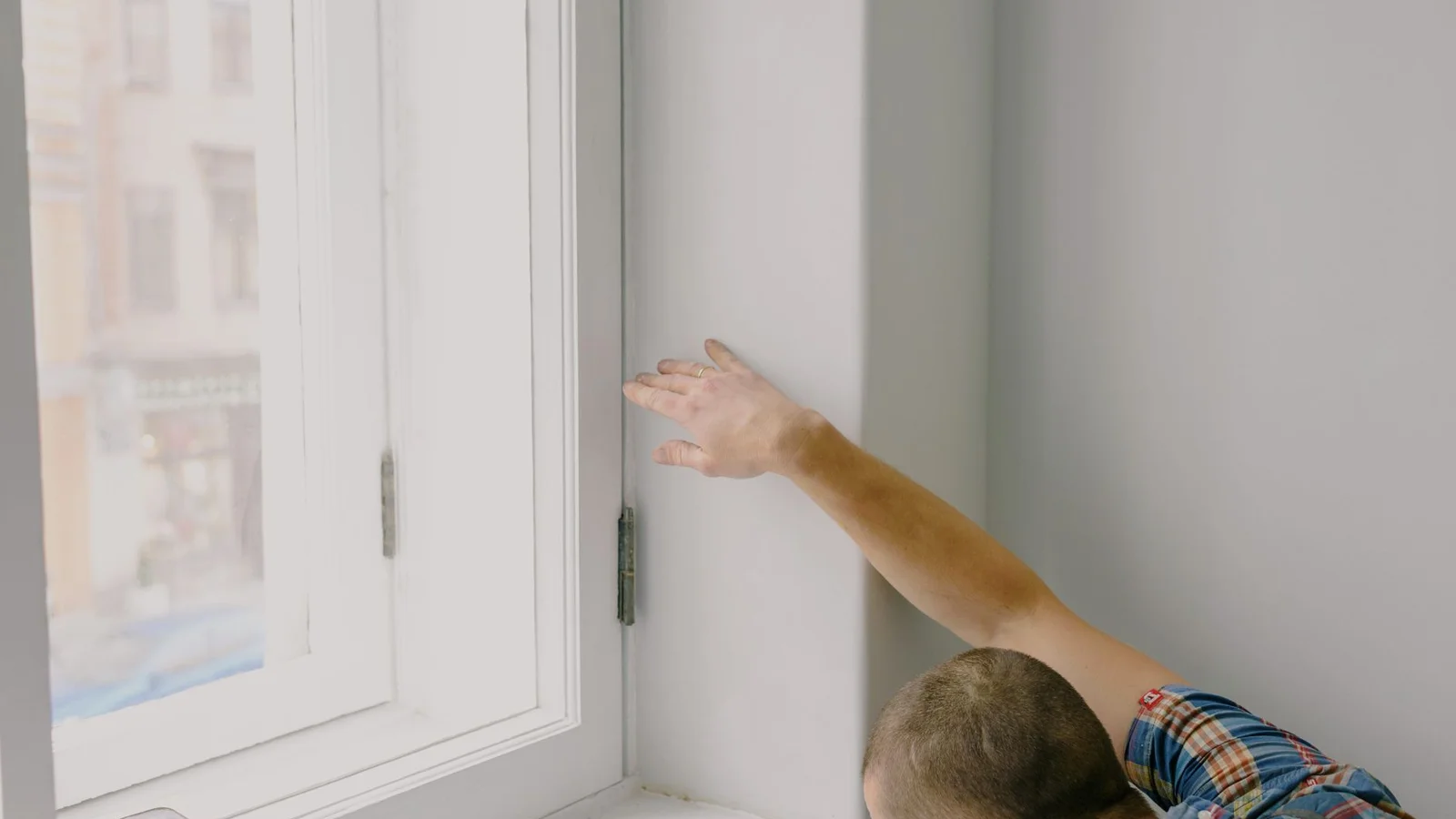
A unit that looks great in photos can hide problems a careful viewing reveals, and catching them before you sign saves months of grief. During a walkthrough, test the things landlords hope you’ll skip: run the water to check pressure and how fast it heats, flush toilets, open and close every window and door, check that outlets work, and look under sinks and along baseboards for water stains, mold, or signs of pests. A musty smell or fresh paint in just one spot can signal something being covered up.
Watch the landlord as closely as the apartment. Vagueness about repairs, reluctance to put promises in writing, pressure to sign immediately or pay before viewing, and a lease full of unusual fees are all warning signs of how the tenancy will go. Ask how maintenance requests are handled and how quickly, and if possible, talk to current tenants about their experience. Read the full lease for hidden charges and harsh terms. A responsive, transparent landlord and a unit that passes a hands-on inspection are worth more than a slightly lower rent attached to red flags you chose to ignore.
Red Flags in the Landlord and the Lease
How a landlord behaves before you sign often predicts the tenancy. Reluctance to make obvious repairs, vagueness about terms, pressure to sign immediately, requests for unusual payment methods, or an unwillingness to provide a written lease are all reasons for caution. Reviews from current or former tenants, where available, can corroborate your impressions.
The lease itself can carry warning signs too, unusual fees, one-sided clauses, or terms that contradict what you were told verbally. Trusting your instincts and walking away from a place that feels off, even a nice-looking one, is often cheaper than the trouble of escaping a bad situation later.
Trusting Your Instincts and Walking Away
If a place feels off during a tour, that instinct is worth respecting even when you cannot point to a single dealbreaker. Pressure to sign immediately, evasiveness about terms, or a general sense of neglect often signals trouble ahead, and walking away from a questionable rental is usually cheaper than escaping a bad lease later.
There are almost always other apartments, so passing on one that raises doubts is rarely a costly mistake. Treating red flags as reasons to keep looking, rather than problems to rationalize, protects you from a year of avoidable headaches.
Inspecting the Unit for Maintenance Issues
During a tour, watching for signs of deferred maintenance can save you from a year of problems. Water stains or musty smells suggesting leaks or mold, evidence of pests, fixtures or appliances in poor shape, weak water pressure, and security concerns like broken locks or poor lighting all hint at how well the property is cared for. These details reveal what you might be living with daily.
The condition of common areas tells a similar story, since a landlord who neglects shared spaces may be equally slow inside your unit. Observing the whole environment, not just the apartment, gives a fuller sense of what to expect.
Reading the Landlord and the Lease for Warning Signs
How a landlord behaves before you sign often predicts the tenancy. Reluctance to make obvious repairs, vagueness about terms, pressure to sign immediately, requests for unusual payment methods, or unwillingness to provide a written lease are all reasons for caution. The lease itself can carry warning signs too, unusual fees, one-sided clauses, or terms that contradict what you were told verbally.
Where available, reviews from current or former tenants can corroborate your impressions. Taking the time to read both the person and the paperwork helps you spot trouble that a polished listing hides.
Trusting Your Instincts and Moving On
If a place feels off during a tour, that instinct deserves respect even when you cannot point to a single dealbreaker. A general sense of neglect, evasiveness, or pressure often signals trouble ahead, and walking away from a questionable rental is usually far cheaper than escaping a bad lease later. There are almost always other apartments to consider.
Treating red flags as reasons to keep looking, rather than problems to rationalize, protects you from avoidable headaches. Passing on one doubtful unit is rarely a costly mistake, while ignoring clear warning signs often is.
Comparing Multiple Units Before Deciding
Seeing more than one apartment makes red flags easier to spot, because problems that might seem normal in isolation stand out against a better-kept alternative. Touring a few units gives you a baseline for what reasonable condition, fair terms, and a responsive landlord look like, which sharpens your judgment about any single place. Comparison is one of the simplest defenses against settling for a flawed rental.
It also reduces the pressure to accept the first option out of urgency, which is when warning signs tend to get rationalized away. Giving yourself choices, where time allows, keeps you from feeling cornered into a lease you would otherwise question.
Frequently Asked Questions
What are apartment red flags?
Pushy landlords, vague leases, and signs of damage or pests.
Should I inspect before signing?
Yes, check the unit for problems before you commit.
What if something feels off?
Trust your instincts; a bad showing often signals worse later.
Related reading
- How to Negotiate Rent on a New Apartment (Before You Move In)
- Utility Setup Guide: Everything to Arrange Before Moving In
- First Apartment Checklist: What You Actually Need to Buy
- How to Pack an Entire Apartment in One Weekend