How to Dispute a Credit Report Error (Step-by-Step)
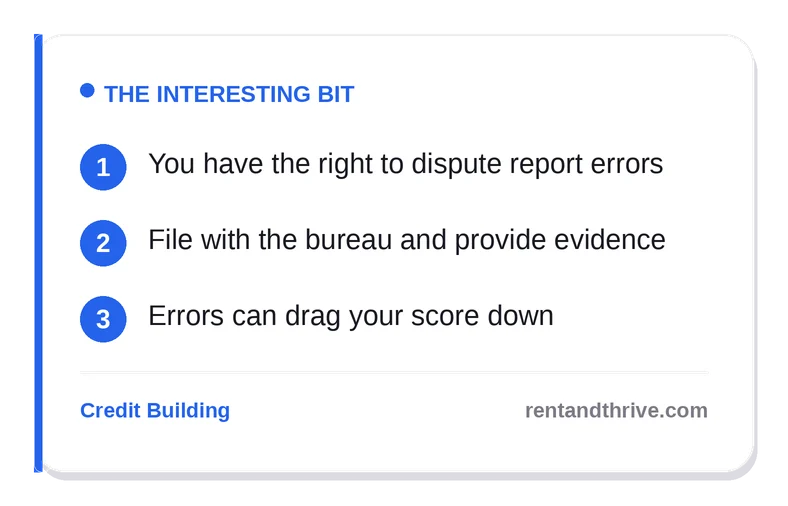
Errors on a credit report are more common than people expect, and they can quietly drag down a score or even an apartment application. The dispute process is free, and a well-documented dispute is far more likely to stick.
What Counts as a Disputable Error
You can dispute information that is inaccurate, incomplete, or unverifiable, an account that is not yours, a payment marked late that was on time, a balance that is wrong, or a debt that should have aged off. Spotting these starts with reading all three reports, since an error may appear on one bureau but not the others.
It helps to distinguish genuine errors from accurate negatives, because the dispute process is meant for mistakes, not for legitimate history you simply dislike. Focusing on real inaccuracies keeps your dispute credible and effective.
Documenting a Credit Dispute So It Sticks
Errors on credit reports are more common than people assume, and you have the right to dispute anything inaccurate for free. The mistake most people make is disputing casually, a quick online click with no backup, then feeling stuck when the item returns. A dispute succeeds or fails on documentation, so treat it like building a small case.
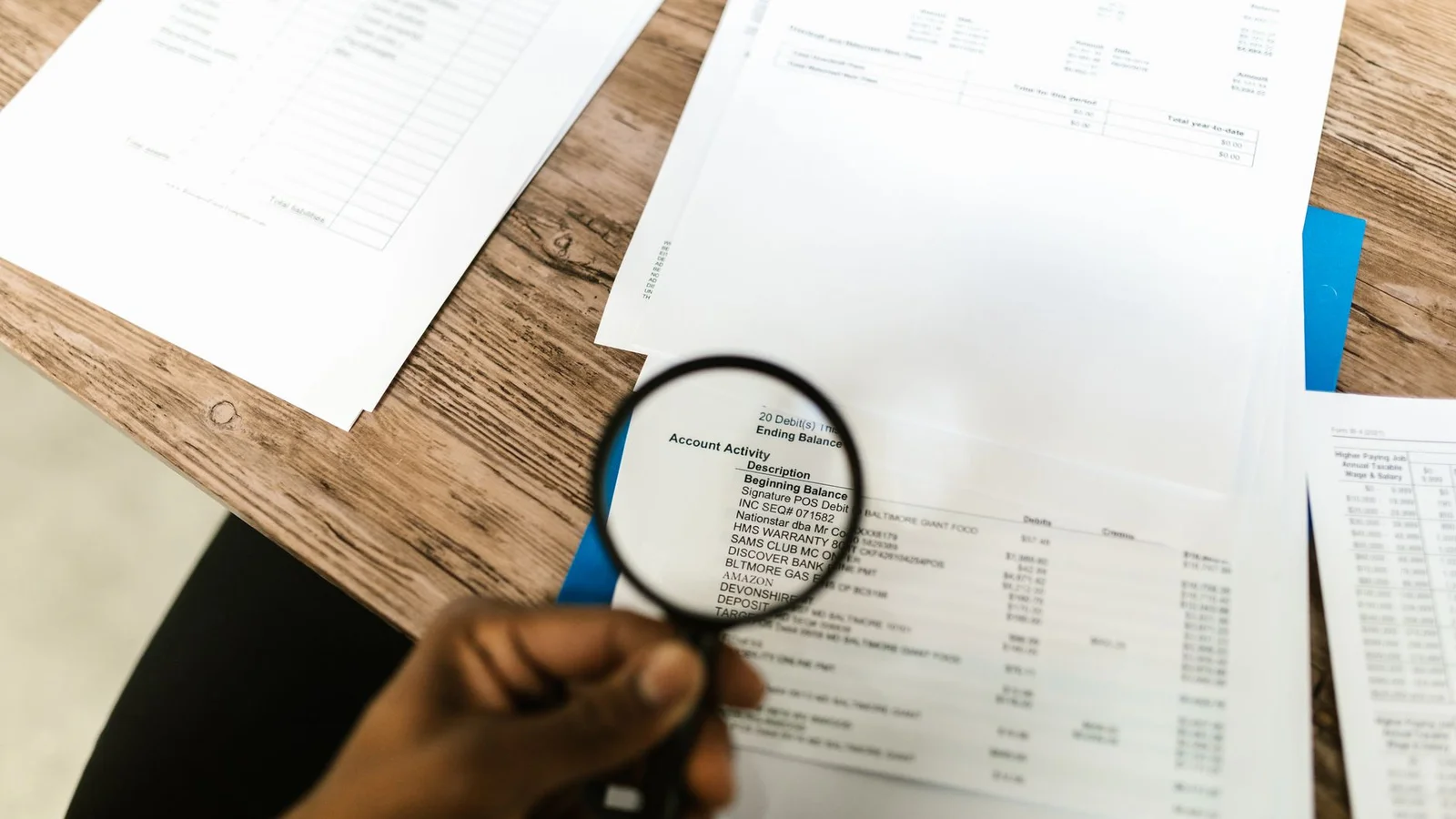
Start by getting your reports from all three bureaus and circling every error: accounts that aren’t yours, wrong balances, a payment marked late that you made on time, or a debt that should have aged off. For each, gather proof, bank statements, payment confirmations, letters, and file the dispute with the specific bureau showing the error, in writing, keeping copies of everything. The bureau generally must investigate within about 30 days. If an item is corrected, pull a fresh report to confirm it stuck, and if a verified-but-still-wrong item remains, you can add a brief statement to your file and escalate. Persistence and paper are what win disputes.
Documenting the Dispute So It Holds
A dispute is strongest when it is specific and backed by evidence. Clearly identify the disputed item, explain why it is wrong, and attach copies, never originals, of supporting documents such as statements or payment confirmations. Keeping a record of what you sent and when gives you a paper trail if you need to follow up.
The bureau generally must investigate and respond within a set timeframe, and if the item cannot be verified it should be corrected or removed. If a dispute is denied but you still believe it is wrong, you can add a statement to your file or escalate, so persistence and good records are your main tools.
Following Up Until the Error Is Resolved
Filing a dispute is often just the first step, since not every dispute is resolved on the first try. If the bureau verifies the item but you still believe it is wrong, you can provide more documentation, escalate, or add a statement of dispute to your file. Persistence, backed by records, is frequently what gets a stubborn error corrected.
Checking your report again after the investigation confirms whether the change actually took effect across all bureaus, since a correction at one may not automatically appear at another. Keeping your dispute records until you have verified the fix everywhere prevents the same error from quietly resurfacing.
How Errors End Up on Your Report
Credit report errors are more common than many people assume, and they arise in several ways: a creditor reporting inaccurate information, a payment misapplied, mixed files when someone shares your name, or activity from identity theft. Because your report draws from many sources, mistakes can slip in without any fault on your part, which is exactly why periodic review matters.
Spotting an error starts with reading all three reports, since an inaccuracy may appear on one bureau but not the others. Distinguishing a genuine mistake from accurate history you simply dislike is important, because the dispute process is meant for errors, not for legitimate negative marks.
Catching errors early, before they affect an application, is far easier than untangling them under time pressure. Regular monitoring turns error correction from a crisis into routine maintenance.
The Investigation Timeline and Following Up
When you file a dispute, the bureau generally must investigate and respond within a set timeframe, and if the disputed item cannot be verified, it should be corrected or removed. Submitting a clear, specific dispute with supporting documentation, copies rather than originals, gives the investigation the strongest basis to rule in your favor. Keeping a record of what you sent and when protects you if you need to follow up.
After the investigation concludes, checking your report again confirms whether the change actually took effect, and across all three bureaus, since a correction at one may not automatically appear elsewhere. If a dispute is denied but you still believe the item is wrong, you can provide more evidence, escalate, or add a statement to your file.
Persistence backed by documentation is usually what resolves stubborn errors. Treating the process methodically, dispute, verify, follow up, keeps it from dragging on unresolved.
Protecting Yourself From Future Errors
Once you have corrected an error, a little ongoing vigilance keeps new ones from catching you off guard. Reviewing your reports periodically, and considering free monitoring or alerts where available, lets you spot inaccuracies or signs of fraud while they are still easy to address. Catching a problem early is far simpler than untangling it under the pressure of a pending application.
Keeping your dispute records until you have confirmed the fix across all three bureaus also prevents a corrected error from quietly resurfacing. Treating credit monitoring as routine maintenance, rather than a reaction to trouble, is the most reliable way to keep your report accurate over time.
Frequently Asked Questions
How do I dispute a credit report error?
File a dispute with the bureau and provide supporting evidence.
Can errors really lower my score?
Yes, mistakes like wrong balances or accounts can hurt your score.
Is it free to dispute?
Yes, you have the right to dispute errors at no cost.
Related reading
- How to Get Approved for an Apartment With Bad Credit
- Credit Builder Loans: Are They Worth It?
- Hard vs. Soft Credit Inquiries: What Renters Need to Know
- How Long Does It Take to Build Good Credit From Scratch?