How to Get Your Security Deposit Back in Full
Getting your full deposit back comes down to leaving the unit as you found it, minus normal wear, and being able to prove it. Knowing what landlords can and cannot charge for is half the battle.
Normal Wear and Tear vs. Chargeable Damage
The line between normal wear and chargeable damage is where most deposit disputes live. Ordinary aging, faded paint, lightly worn carpet, small nail holes, minor scuffs, is generally the landlord’s cost of doing business, while damage beyond reasonable use, like large holes, stains, or breakage, can usually be deducted. Understanding this distinction helps you judge whether a deduction is fair before you accept it.
Because interpretations vary and the specifics depend on your state and lease, it helps to focus on conditions you can clearly document. Anything you leave in better shape than the wear-and-tear standard is hard for a landlord to charge against, which is why thorough cleaning pays off.
A Move-Out Routine That Protects Your Deposit
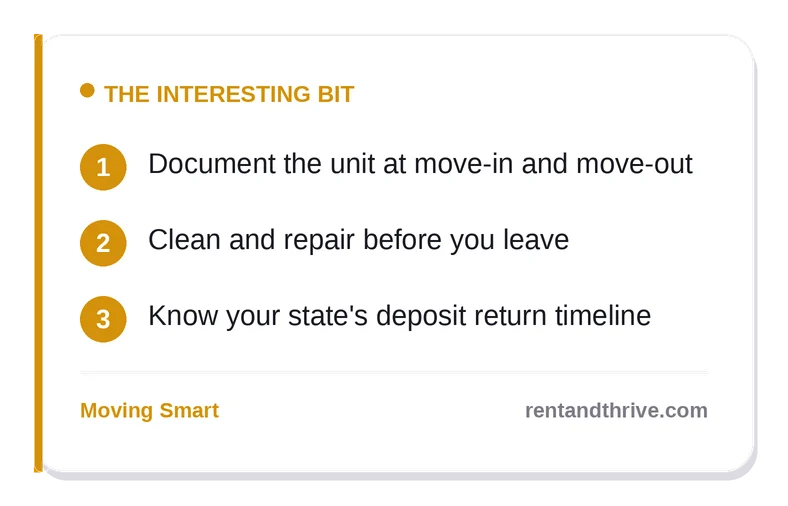
Getting a security deposit back in full comes down to leaving the unit in the condition you received it, minus normal wear, and being able to prove it. The most reliable safeguard starts at move-in: a dated photo or video record of every room, including existing scuffs and flaws, so you’re never charged for damage that predated you. At move-out, you recreate that record after cleaning to show how you left the place.
Work from the lease’s move-out checklist, and don’t skip the small repairs that landlords love to deduct for, filling nail holes, replacing burnt-out bulbs, cleaning appliances, and a thorough top-to-bottom clean. Give written notice in the required timeframe and provide a forwarding address so your deposit or an itemized statement of deductions reaches you within your state’s legal deadline. If a landlord withholds money for ordinary wear or misses the deadline, you usually have grounds to dispute it, starting with a polite written demand citing your photos, and small-claims court as a backstop. Documenting at both ends, cleaning thoroughly, and knowing the timeline are what turn a deposit from a hopeful refund into money you reliably get back.
Responding to an Unfair Deduction
If a landlord withholds part of your deposit for something that looks like ordinary wear, or fails to provide the itemized statement many states require, you generally have grounds to push back. A polite written demand that references your move-in and move-out photos and the relevant deadline is the usual first step and often resolves the matter without further escalation.
Where a fair resolution does not come, small-claims court is a common backstop for deposit disputes, and many areas offer tenant resources that explain the local process. Keeping every receipt, photo, and message organized is what turns a disagreement into a case you can actually make.
Giving Proper Notice and a Forwarding Address
Two small administrative steps protect your deposit as much as cleaning does: giving written move-out notice within the timeframe your lease requires, and providing a forwarding address so the landlord can send your deposit or an itemized statement. Missing the notice window or leaving no address gives a landlord easy reasons to delay or dispute the return.
Keeping a dated copy of your notice and your address request creates a record that the obligation was met on your end. These steps cost nothing but close off common excuses, helping ensure your deposit, or a clear accounting of any deductions, actually reaches you on time.
Following the Lease’s Move-Out Checklist
Getting a deposit back in full starts with the lease’s own move-out requirements, which often list the small fixes landlords love to deduct for. Filling nail holes, replacing burnt-out bulbs, cleaning appliances, and giving the place a thorough top-to-bottom clean removes easy reasons to withhold money. Working from that checklist ensures you do not overlook a detail that could cost you.
Leaving the unit in the condition you received it, minus normal wear, is the standard most leases hold you to. Meeting that standard deliberately, rather than rushing the final days, is what protects the bulk of your deposit.
Documenting the Unit at Move-Out
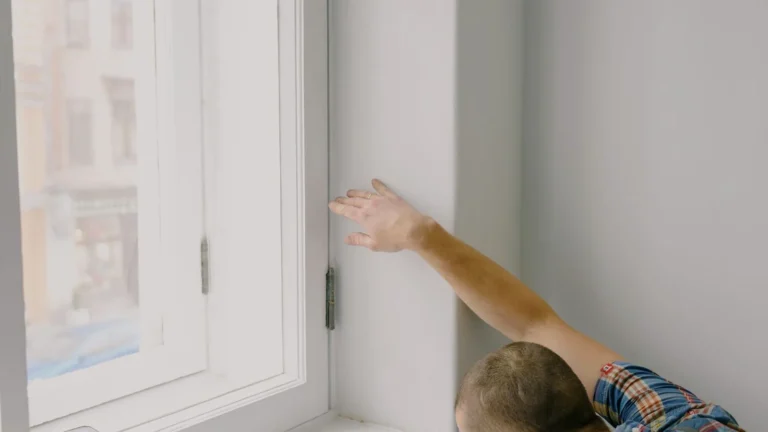
Just as move-in photos establish the starting condition, dated photos or video after you clean at move-out show how you left the place. This before-and-after pair is the strongest evidence a renter has if a landlord later claims damage, since it directly counters an unfair deduction. Capturing every room, including any pre-existing flaws you already documented, completes the record.
Keeping these images organized alongside your lease and move-out notice means you can make your case quickly if needed. The few minutes spent documenting at both ends is what turns a deposit from a hopeful refund into money you can reliably reclaim.
Giving Notice and Knowing the Timeline
Two administrative steps protect your deposit as much as cleaning does: giving written move-out notice within the timeframe your lease requires, and providing a forwarding address so the landlord can send your deposit or an itemized statement. Missing the notice window or leaving no address gives a landlord easy reasons to delay. Most states set a deadline by which the deposit or a statement of deductions must reach you.
If a landlord withholds money for ordinary wear or misses that deadline, you usually have grounds to dispute it, often starting with a polite written demand citing your photos, with small-claims court as a backstop. Knowing your state’s timeline lets you hold the landlord to it.
Frequently Asked Questions
How do I get my full deposit back?
Document the unit, clean and repair before leaving, and follow the move-out rules.
What is the most overlooked step?
Move-in and move-out documentation with photos.
When should I get it back?
Within your state’s required timeline after move-out.
Related reading
- Security Deposits: Your Rights, Deductions, and How to Get It Back
- Renters Insurance Explained: What It Covers and How Much You Actually Need
- Side Hustle to Investment: How to Turn Extra Income Into Long-Term Wealth